
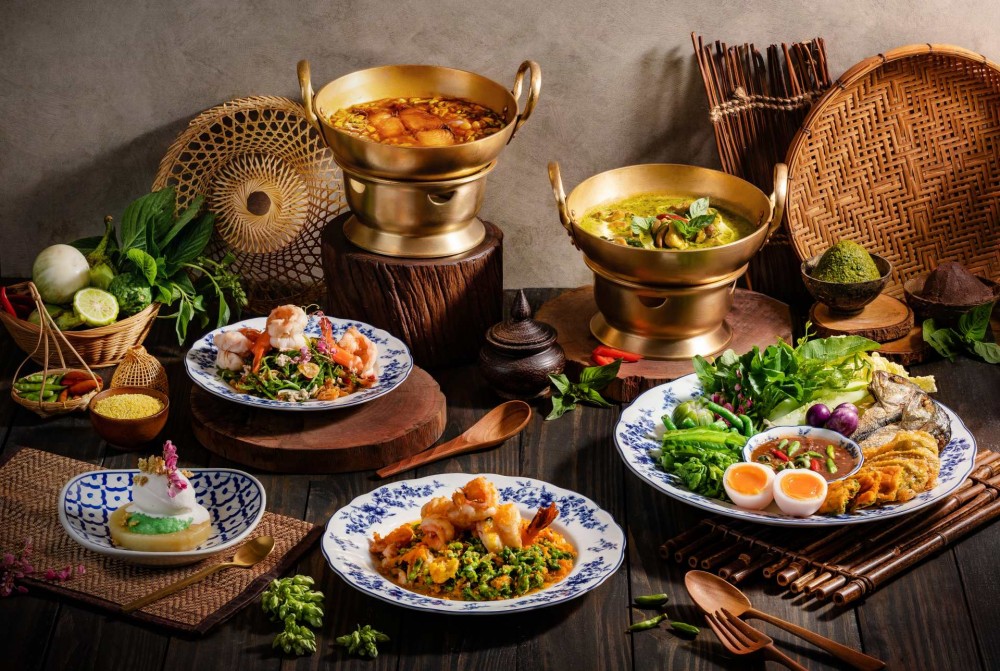
Culinary Arts and Heritage: Decoding the "Central vs. Southern" Divide Through an Outsider’s Lens
Thailand is a land enriched with unique culinary cultures across its regions. From the mild, herb-forward flavors of the North to the bold, savory, and spicy profiles of the Northeast—driven by fermented fish and simple preparation—each area has its own story. However, one of the most fascinating contrasts, both historically and geographically, lies between the cuisine of Central and Southern Thailand.
As someone who grew up with the mellow, balanced flavors of the Central plains and later transitioned to living in the land of Sato (bitter beans) and fiery curries, I’ve realized the difference is not just about the level of spice. It is a difference in “culinary philosophy” and the “way of life” hidden behind every dish.


1. Geographical Diversity and Ingredients: The Roots of Flavor
- The Central Region (The Fertile Basin): Known as the “Rice Bowl of Asia,” this region is a lush river plain. The Thai proverb “There is fish in the water and rice in the fields” perfectly captures its abundance. With a rich supply of freshwater fish, homegrown vegetables, and coconuts, Central Thailand became a melting pot of culinary influences. It is particularly defined by Royal Thai Cuisine, which emphasizes refinement, intricate preparation, and the meticulous selection of ingredients.
- The Southern Region (The Peninsula): Being a peninsula flanked by two seas, the diet is naturally centered on seafood. The tropical climate—characterized by high humidity and year-round rainfall—makes spices the primary protagonist. Ingredients like fresh turmeric are essential, not just for flavor, but for neutralizing the brine of seafood and balancing the body’s internal elements against the humid weather.
2. Culinary Palate: Elegant Balance vs. Bold Sincerity
In terms of flavor profile, the two regions possess entirely different personalities:
- Central Cuisine (Balanced Flavor): The hallmark of Central Thai food is its “mellow balance.” A single dish must harmoniously blend sour, sweet, salty, and spicy notes without any one flavor overpowering the others. Coconut milk is frequently used to create a creamy richness, while coconut sugar provides a delicate sweetness. Dishes like Green Curry or Tom Yum Kung are quintessential examples of this sophisticated complexity.
- Southern Cuisine (Bold Flavor): Southern food is defined by its “bold and straightforward” character, where spice and saltiness take center stage. “Turmeric” is an indispensable ingredient; it not only neutralizes the fishy aroma of seafood but also gives Southern dishes their iconic golden hue. Hearty staples like Kaeng Tai Pla (Fish Viscera Curry) or Khua Kling (Dry Fried Minced Meat) reflect a heavy spice influence inherited from Indian and Javanese culinary traditions.
3. Lifestyle and the Dining Table: A Centralist's Perspective on the South
When I moved from the bustling heart of Bangkok to the South, the first thing I noticed was a deep-rooted connection between their diet and nature. Southerners accompany every meal with a vast array of fresh local vegetables known as "Phak Noh." These crisp, raw greens serve as a natural coolant to soothe the fiery heat of the curries. In contrast, Central Thais typically blanch their vegetables or serve them specifically as accompaniments to chili pastes (Nam Prik). From a lifestyle perspective, Central Thai cuisine mirrors a sense of "meticulous refinement" and structured tradition. Meanwhile, Southern food reflects the "resilience and grit" of those working at sea or in rubber plantations—people who require intensely flavored, high-energy meals to stimulate the senses and provide warmth to the body.
Passing Down Heritage at Pakinnaka Thai Cooking School
To truly grasp the essence of these regional nuances, getting your hands into the kitchen is the best approach. At Pakinnaka Thai Cooking School in Khao Lak, Phang Nga, you can learn to cook in a serene garden setting. Under the guidance of Chef Wandee, a seasoned expert, you will uncover the secrets of making homemade curry pastes from scratch. This experience is the key to understanding why Southern curry pastes are more aromatic and fierier than those from the Central region.
The school doesn’t just teach cooking; it passes down “Authentic Thai Cooking Traditions.” Students can immerse themselves in the depth of Thai culture through genuine flavors—from mastering chili-using techniques to selecting ingredients from local markets. It reinforces the fact that the cuisine of each region is an intellectual heritage perfectly attuned to its way of life.
In the conclusion, the contrast between Central and Southern Thai cuisine is about more than just taste; it is about human adaptation to nature and social context. Central cuisine may be likened to a meticulously composed poem, while Southern cuisine is a soul-stirring anthem filled with raw energy. Both are vital pieces of the puzzle that make the “Thai Samrup” (Thai Set) complete and globally acclaimed.
If you wish to experience an in-depth, hands-on Thai culinary journey, join a class at Pakinnaka Thai Cooking School. Discover the secrets of spices and traditional techniques from a true expert.
Are you interested in learning how to make traditional Southern Curry Paste to compare it with the Central version?


Order Online
Lorem ipsum dolor sit amet consectetur adipiscing elit hac, duis lectus vulputate ornare est tristique leo suscipit, eros volutpat mollis quam massa diam eget. Integer vel consequat egestas hac lobortis vestibulum class